

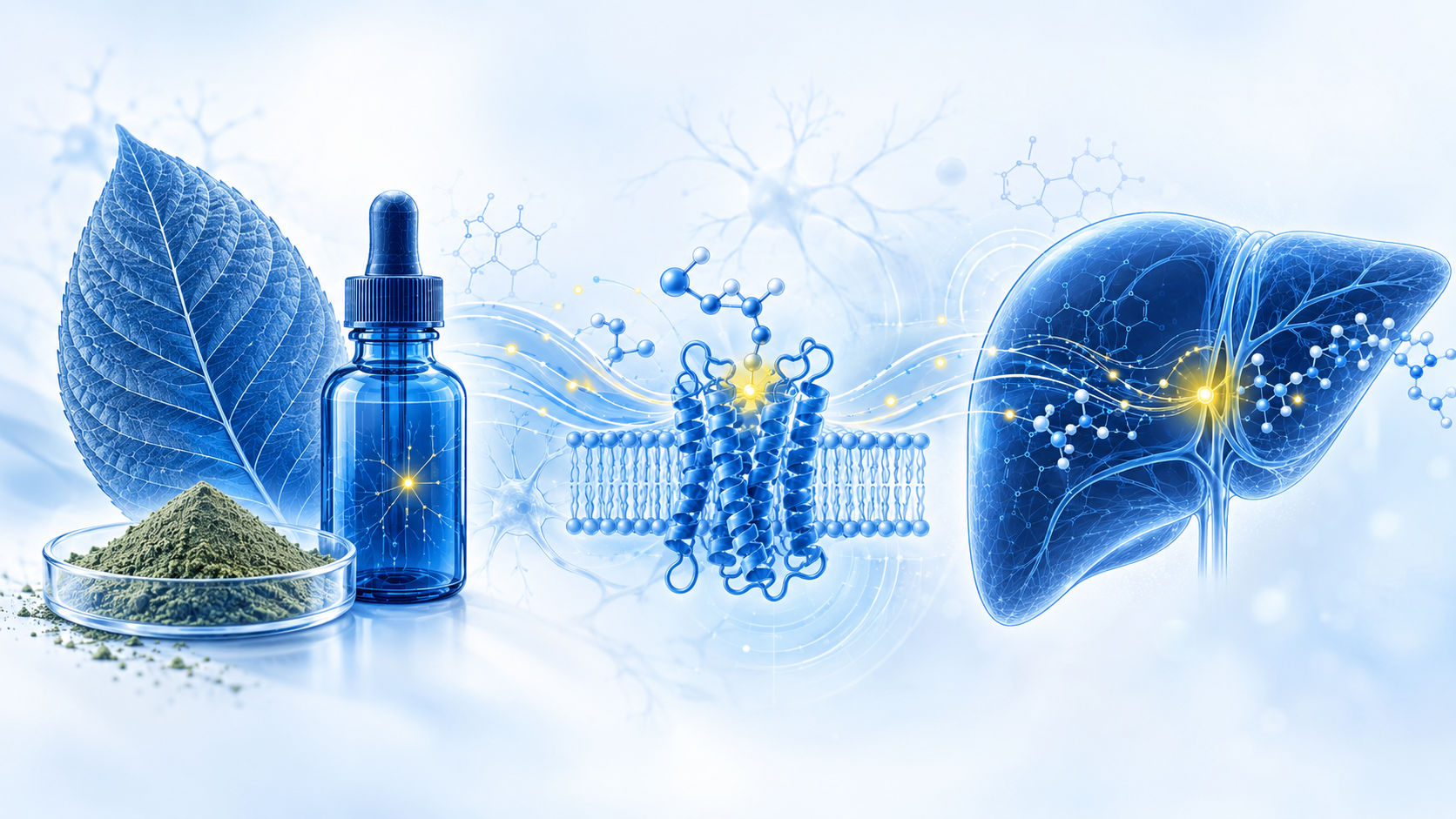
Kratom is often discussed as though it were one product. Clinically, that assumption is becoming less useful. Whole-leaf powder, extracts, concentrated 7-hydroxymitragynine products, and enhanced products can create very different exposures. Assessment begins by identifying what the patient is actually taking.
Key clinical points
- Ask about product type before interpreting the amount used.
- Distinguish traditional kratom leaf from concentrated 7-hydroxymitragynine, or 7-OH, products.
- Use withdrawal scales as one part of the assessment, not as a substitute for the clinical picture.
- Do not start naltrexone in a patient with ongoing opioid-like physical dependence without an adequate opioid-free interval and careful assessment.
- Evidence for buprenorphine in kratom use disorder is based primarily on case reports and case series, not randomized controlled trials.
- Review CYP3A-mediated drug interactions when kratom is being used alongside psychiatric or medical medications.
The first question is not simply, “How much kratom?”
A patient says, “I use kratom every day.” That statement sounds specific, but it is not yet pharmacologically useful.
The retail market now includes products that differ substantially in formulation and alkaloid exposure. Traditional whole-leaf powder contains mitragynine as its dominant alkaloid and only trace amounts of 7-hydroxymitragynine, commonly abbreviated 7-OH. Extracts can contain more concentrated and variable alkaloid amounts. Other products are sold specifically as concentrated 7-OH tablets, gummies, shots, or similar formulations. Some products marketed as “enhanced” or “spiked” kratom may contain 7-OH at concentrations substantially above what occurs naturally in the leaf.
The FDA drew this distinction explicitly in 2025 when it warned clinicians and consumers about concentrated 7-OH products while separating those products from traditional kratom leaf. That distinction matters clinically because a patient taking leaf powder and a patient taking concentrated 7-OH may both use the word “kratom” while describing very different pharmacologic exposures.
The assessment therefore starts with the product.
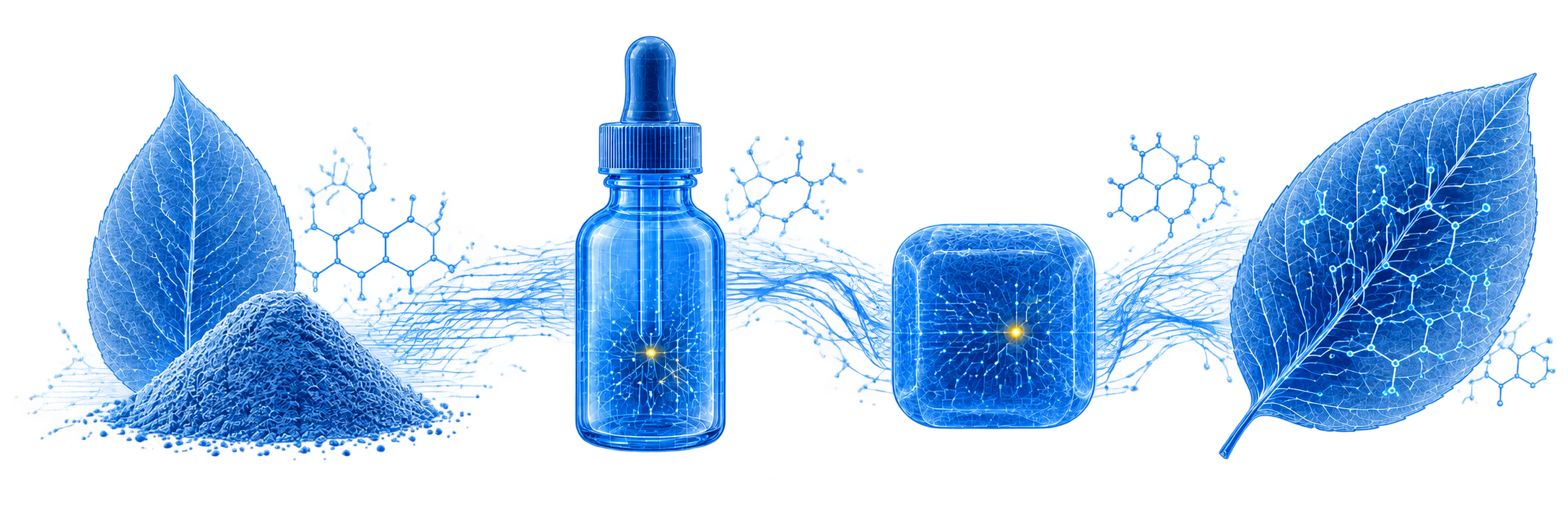
Kratom use disorder is a clinical diagnosis, not a product label
Daily use, tolerance, or withdrawal does not tell the entire story by itself.
Kratom use disorder is not listed as a separately named disorder in DSM-5, but the DSM-5 substance-use framework allows a known substance that does not have its own named category to be identified within the “other” substance-use-disorder framework. A 2024 review in Current Psychiatry Reports recommends assessing suspected kratom use disorder systematically using the same 11 substance-use-disorder criteria applied to other substances.
There is an important diagnostic complication. Tolerance and withdrawal can satisfy two DSM-5 criteria and therefore reach the numerical threshold for a mild substance use disorder, even when broader functional or psychosocial impairment is limited. In published survey data, tolerance and withdrawal are among the most commonly endorsed criteria among people who meet proposed kratom use disorder thresholds.
That does not mean tolerance and withdrawal should be ignored. It means the clinician should distinguish physical dependence from the broader pattern of impaired control, craving, risky use, functional consequences, and persistence despite harm.
The diagnosis should describe the patient, not merely the presence of an alkaloid.
Two alkaloids can produce different clinical pictures
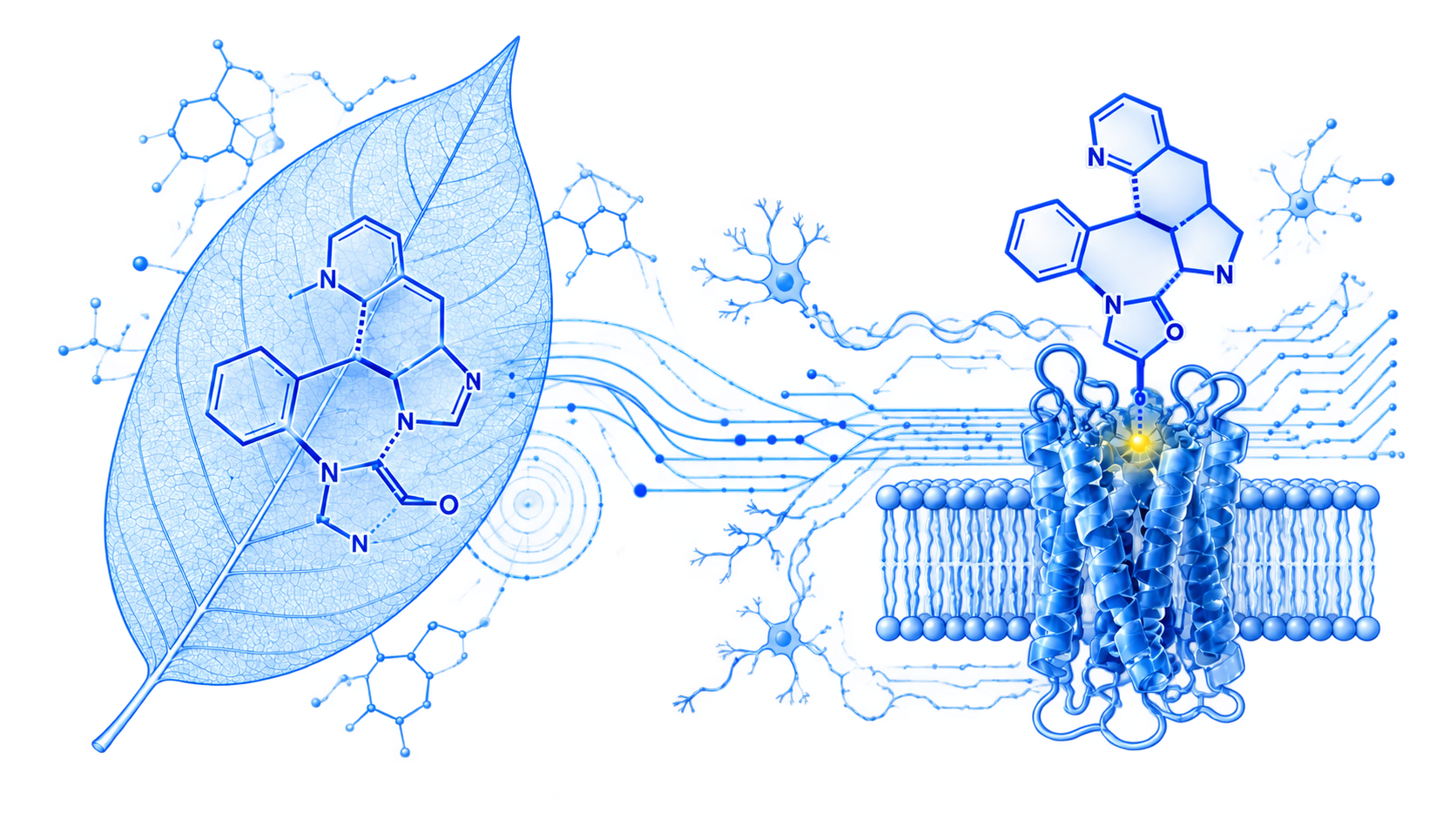
Mitragynine is the dominant alkaloid in traditional kratom leaf. It has activity at the mu-opioid receptor and a more complex receptor profile than a conventional opioid agonist. 7-hydroxymitragynine is present only in small amounts in natural leaf but can become the dominant concern when it is concentrated in manufactured products.
Preclinical data support greater mu-opioid-receptor activity and a more pronounced opioid-like effect for 7-OH than for mitragynine. The practical implication is straightforward: the label “kratom” does not tell the clinician where the patient sits on the spectrum of opioid-like pharmacology.
A patient using traditional leaf and a patient taking concentrated 7-OH tablets are not necessarily in the same pharmacologic situation.
Withdrawal should be assessed, but the number is not the patient
The Clinical Opiate Withdrawal Scale, or COWS, is useful because it forces the clinician to examine a reproducible set of opioid-withdrawal findings. It was developed and validated in conventional opioid withdrawal, however, not specifically for the full range of kratom and concentrated 7-OH products now encountered in practice.
Patients stopping kratom or 7-OH may report anxiety, dysphoria, restlessness, sleep disturbance, gastrointestinal symptoms, low energy, diffuse pain, and a strong urge to resume the product. Depending on the product and the timing of the assessment, subjective distress may be more prominent than the autonomic findings that drive parts of the COWS score.
That makes the score useful, but not sovereign.
A low or moderate COWS score should not be used by itself to dismiss a convincing history of clinically significant withdrawal. The clinician still needs to know the product, frequency, duration of use, time since the last dose, prior withdrawal history, co-occurring opioid exposure, other substances, medical conditions, and what the patient is experiencing longitudinally.
The naltrexone problem is a timing problem
A patient may present with anxiety, insomnia, gastrointestinal distress, dysphoria, restlessness, and pain after stopping what they believed was a supplement. If that patient has developed opioid-like physical dependence, naltrexone can precipitate an abrupt withdrawal syndrome.
This is not theoretical. Published case reports describe severe withdrawal after naltrexone was given to patients with ongoing kratom exposure or dependence.
The clinical implication needs to be stated precisely. Naltrexone is not inherently excluded from every future treatment plan. The problem is initiating an opioid antagonist while clinically relevant opioid-receptor agonism or physical dependence remains present.
During active withdrawal or uncertain washout, the immediate question is generally whether the patient can be managed with supportive nonopioid treatment or whether an opioid-agonist strategy such as buprenorphine is clinically appropriate. Naltrexone, if otherwise indicated, requires an adequate opioid-free interval and individualized assessment before initiation.
The medication decision follows the physiology.
Where buprenorphine fits, and where the evidence stops
Buprenorphine-naloxone has been used to treat patients with clinically significant kratom use disorder and withdrawal. The published evidence is encouraging but limited.
A 2021 case series and systematic literature review by Weiss and Douglas described successful buprenorphine-naloxone treatment and proposed a rough relationship between reported daily kratom amount and an initial buprenorphine dose. That was a useful starting heuristic, but it came from a small body of case-level evidence.
A larger 2022 case series reported 28 patients treated with buprenorphine-naloxone. In that series, prior kratom grams per day did not correlate with the final stabilizing buprenorphine dose. Twenty-three of 28 patients ultimately stabilized between 8 and 16 mg per day, while a small number stabilized below or above that range. At the reported follow-up point, 20 of the 28 remained in treatment, with treatment duration among those still engaged ranging from 5 to 22 months and averaging 11 months.
Those numbers are clinically informative, but they are not randomized evidence. The 2024 review by Smith and colleagues emphasizes that there are no controlled trials establishing the safety or efficacy of buprenorphine specifically for isolated kratom use disorder.
That limitation should change how the evidence is presented, not prevent clinicians from using it.
Buprenorphine may be reasonable when the overall clinical picture supports it, particularly when opioid-like withdrawal, repeated unsuccessful attempts to stop, recurrent use to relieve withdrawal, substantial craving, functional impairment, or co-occurring opioid use disorder is present. The decision should be based on diagnosis, physiology, risk, treatment history, and patient goals rather than the word “kratom” alone.
Induction is not maintenance
The amount of kratom reported in grams can help frame an initial assessment, but it is an imprecise exposure measure. Two products labeled with the same weight may differ in alkaloid concentration, extract strength, 7-OH content, and adulteration.
That is one reason induction logic should not be confused with the dose eventually required for stabilization.
The 2021 literature suggested that reported daily kratom exposure might help estimate an initial buprenorphine range. The larger 2022 series did not find a relationship between prior kratom grams per day and final stabilizing dose.
The practical translation is to begin conservatively, confirm withdrawal and treatment response, and titrate to the dose that suppresses withdrawal and craving without producing clinically significant adverse effects.
Do not turn a rough starting heuristic into a maintenance rule.
Drug interactions can be easy to miss
Kratom also creates a medication-reconciliation problem.
A controlled human pharmacokinetic study evaluated a single low dose of kratom tea in 12 healthy adults using midazolam as a CYP3A probe and dextromethorphan as a CYP2D6 probe. Kratom increased midazolam exposure, with an approximately 39 percent increase in AUC and a 50 percent increase in peak concentration, while no meaningful effect was detected on dextromethorphan exposure. The pattern was consistent with inhibition of intestinal CYP3A.
That study does not tell us the magnitude of interaction for every commercial product, chronic exposure pattern, or concentrated 7-OH formulation. It does establish that the interaction is not merely theoretical.
Medication review should therefore include drugs that rely substantially on CYP3A metabolism. In psychiatric practice, examples include quetiapine and alprazolam. Some statins also depend heavily on CYP3A. Macrolide antibiotics and azole antifungals deserve additional attention because many of them alter CYP3A activity themselves and can further complicate the interaction environment.
The important point is not to memorize a short list. It is to recognize the mechanism and review the entire regimen.
Maintenance may be more appropriate than a rapid detoxification plan
A common expectation is that once withdrawal is controlled, the medication should immediately be tapered away. The available case literature does not support turning that expectation into a default rule.
In the 28-patient series, most patients stabilized on buprenorphine doses between 8 and 16 mg per day, and 20 remained in treatment at the reported follow-up point. That finding does not prove that long-term maintenance is superior for every patient with kratom use disorder. It does show that continued treatment is feasible and that stabilization may require more than a brief detoxification window.
For a patient who has repeatedly returned to kratom or concentrated 7-OH after withdrawal, rapid discontinuation of an effective treatment may reproduce the same cycle that brought the patient into care.
The maintenance decision should therefore be individualized. Consider the severity of the substance-use pattern, prior relapse history, co-occurring opioid use disorder, psychiatric and medical comorbidity, treatment response, side effects, patient preference, and the stability achieved over time.
What the 28-patient case series can and cannot tell us
- It can tell us: office-based buprenorphine treatment was feasible in this reported cohort, most patients stabilized between 8 and 16 mg/day, and 20 of 28 were still in treatment at the authors’ follow-up point.
- It cannot tell us: the optimal treatment for every patient, comparative efficacy against nonopioid treatment, the best duration of maintenance, or the results we would expect in a randomized population.
A four-step outpatient framework
The clinical workflow can be compressed into four moves.
1. Ask by product type.
Do not stop at “kratom.” Identify leaf, extract, concentrated 7-OH, enhanced product, route, brand if available, labeled alkaloid content, frequency, and timing of the last dose.
2. Assess systematically, but do not gatekeep on COWS alone.
Use DSM-5 substance-use criteria to assess the broader pattern. Use COWS or a comparable withdrawal examination to organize the physiologic assessment, while interpreting the score in context.
3. Treat the physiology in front of you.
Supportive treatment may be sufficient for some patients. Others may warrant buprenorphine-based treatment, particularly when clinically significant opioid-like withdrawal or a more established substance-use disorder is present. Avoid antagonist initiation when ongoing physical dependence creates a risk of precipitated withdrawal.
4. Plan for stabilization, not merely the first 24 hours.
The induction dose is not automatically the maintenance dose. Reassess craving, withdrawal, function, adverse effects, ongoing kratom or opioid use, and the patient’s goals over time.
This is not a theoretical edge case. Concentrated 7-OH products are being sold directly to consumers, often in forms that look more like supplements or convenience products than opioids.
The language on the package does not determine the physiology.
The larger clinical lesson
Kratom use disorder illustrates a broader problem in outpatient psychiatry: a category name can hide clinically important differences.
“Supplement” does not tell us receptor activity. “Kratom” does not tell us 7-OH exposure. A withdrawal score does not replace the history. A starting dose does not determine the final maintenance dose. Physical dependence does not, by itself, describe the full severity of a substance use disorder.
The useful question is always more specific: What product is this patient taking, what physiology has developed, what consequences are occurring, and what treatment is supported by the evidence we actually have?
That is the level at which the clinical decision becomes defensible.
Clinical context and limitations
This article is educational and reflects a clinical reasoning framework, not an individualized treatment recommendation. The evidence base for kratom use disorder remains limited. There are no randomized controlled trials establishing an optimal medication strategy for isolated kratom use disorder, and much of the buprenorphine literature consists of case reports and case series. Product variability further limits the usefulness of reported “grams per day” as a uniform exposure measure.
Patients with severe withdrawal, polysubstance use, opioid exposure, pregnancy, unstable medical conditions, significant psychiatric risk, or uncertainty about product contents may require a higher level of assessment or care.
References
- U.S. Food and Drug Administration. Dear Colleague: 7-Hydroxymitragynine (7-OH). July 29, 2025.
- U.S. Food and Drug Administration. FDA Takes Steps to Restrict 7-OH Opioid Products Threatening American Consumers. July 29, 2025.
- Weiss ST, Douglas HE. Treatment of Kratom Withdrawal and Dependence With Buprenorphine/Naloxone: A Case Series and Systematic Literature Review. Journal of Addiction Medicine. 2021;15(2):167-172. doi:10.1097/ADM.0000000000000721.
- Broyan VR, Brar JK, Allgaier T, Allgaier JT. Long-term buprenorphine treatment for kratom use disorder: A case series. Substance Abuse. 2022;43(1):763-766. doi:10.1080/08897077.2021.2010250.
- Smith KE, Epstein DH, Weiss ST. Controversies in Assessment, Diagnosis, and Treatment of Kratom Use Disorder. Current Psychiatry Reports. 2024;26:487-496. doi:10.1007/s11920-024-01524-1.
- Tanna RS, et al. Clinical Assessment of the Drug Interaction Potential of the Psychotropic Natural Product Kratom. Clinical Pharmacology & Therapeutics. 2023;113(6):1315-1325. doi:10.1002/cpt.2891.
- Precipitated withdrawal with kratom use following naltrexone administration. Mental Health Clinician. 2023. PMID: 37448827.
- Kratom-induced transaminitis with subsequent precipitated opioid withdrawal following naltrexone. 2021. PMID: 34026398.